5 Findings from Analyzing Every B2B Mascot That Exists
Editor’s note: Taking it from here is Louis Grenier, author of Stand The F*ck Out and founder of B2B consultancy STFO, a positioning + GTM consultancy for B2B companies. Louis has spent over a decade telling B2B companies uncomfortable truths about their positioning. He’s advised Dropbox, Hotjar, Ahrefs, and Balsamiq – and he’s headlining Drive next week. Over to Louis.
I’ve been focused recently on how and why B2B neglects the brand assets that actually stick, including one of my favorites: mascots. So I actually counted them all.
There are roughly 30,000 B2B software companies in the world. I went looking for the ones running a real mascot, a character with a face the brand actually commits to. I found 105.
Not 105 good ones. 105 total.
In other words, fewer than one in every 441 B2B software brands has one.
This is the state of B2B mascots today. Here’s what I found when I looked at all 105 B2B mascots – and why, with AI making every category sound more alike, mascots might be worth more now than ever to the brands willing to put in the effort.
Finding 1: Mascots are built to be remembered, yet fewer than 1 in 441 brands have one.
Strip out the 37 mascots that belong to open-source projects, and the ratio for actual companies is 1 in 441. In a discipline that spends billions a year trying to be remembered, almost nobody reaches for the one asset built to be remembered.
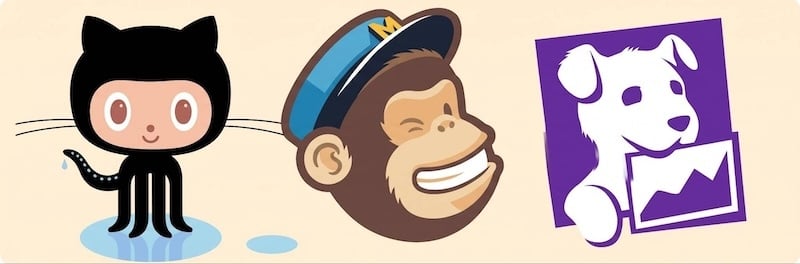
Try the recall test. You can already picture Octocat, Freddie the Mailchimp chimp, Datadog. Now name a single B2B tagline. Or the exact blue on the last SaaS homepage you opened. Nothing. The rarest asset in the category is also the one that came to you fastest, and I believe that gap could be a great way to stand the f*ck out.
Now I hear you thinking…
“Why is the field this empty if having a mascot works?” Probably because a mascot is one of the riskiest things to sign off on. Try bringing it to a CFO: “Let’s spend 30k on a three-legged antelope for our logo.” Leaders were taught to look polished, not to be distinctive. So they polish until their brand is as shiny as all the others.
Finding 2: The people who hate marketing most love mascots.
Of the 105, only 68 belong to a business with a go-to-market team. The other 37 are open-source: the Go Gopher, Postgres’ Slonik, Tux, the Rust crab. More than a third of every B2B mascot in existence answers to a community, not a brand strategy.
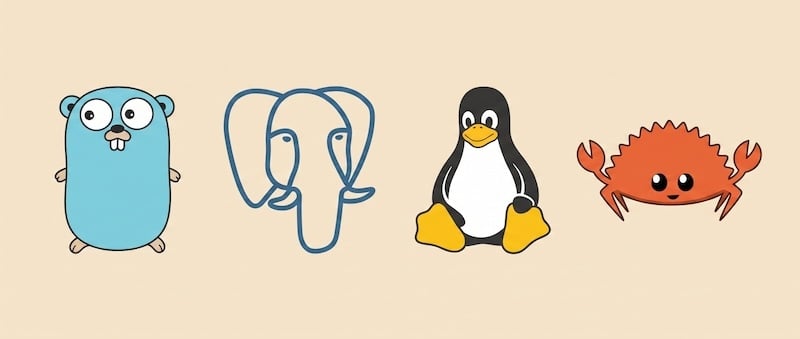
They exist for a reason that has nothing to do with positioning. A programming language has no marketing department and no ELT, so it needs a free, ownerless, forkable identity a community will carry. A mascot does that. You can sticker it. You cannot sticker a gradient.
Imagine that – the audience most allergic to marketing, with no C-suite chasing a quarterly number, is the one that reaches for a character most. Strip out the pressure to blend the f*ck in and the asset flourishes.
Finding 3: An animal is the safest mascot you can pick. (That’s the risk.)
64 of the 105, 63%, are animals. Owls lead, then ducks, foxes, elephants, raccoons. Everything that isn’t an animal – like invented creatures, robots, humans, objects, barely registers.
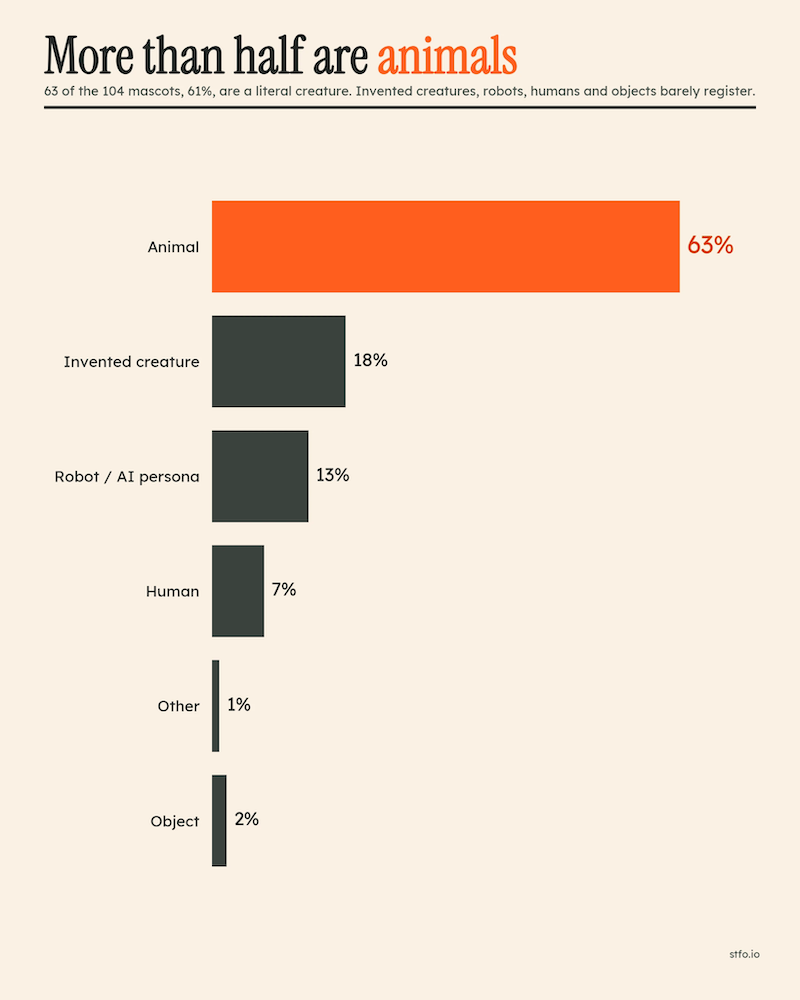
It makes sense. An animal is the safest choice: instantly legible, carrying borrowed meaning (an owl is wise, an elephant remembers, a guard dog protects).
There’s a risk here: you want to build stronger memory structures without competing with all the other crap floating around in people’s heads. An owl drags in every other owl the buyer remembers, so the memory it triggers might be smeared across a dozen brands instead of landing on yours.
Finding 4: The further you get from a keyboard, the more boring it gets.
Over half of the 105 live mascots in developer tools and open source. Security and identity have eleven. Martech, twelve. Then it falls off a cliff.
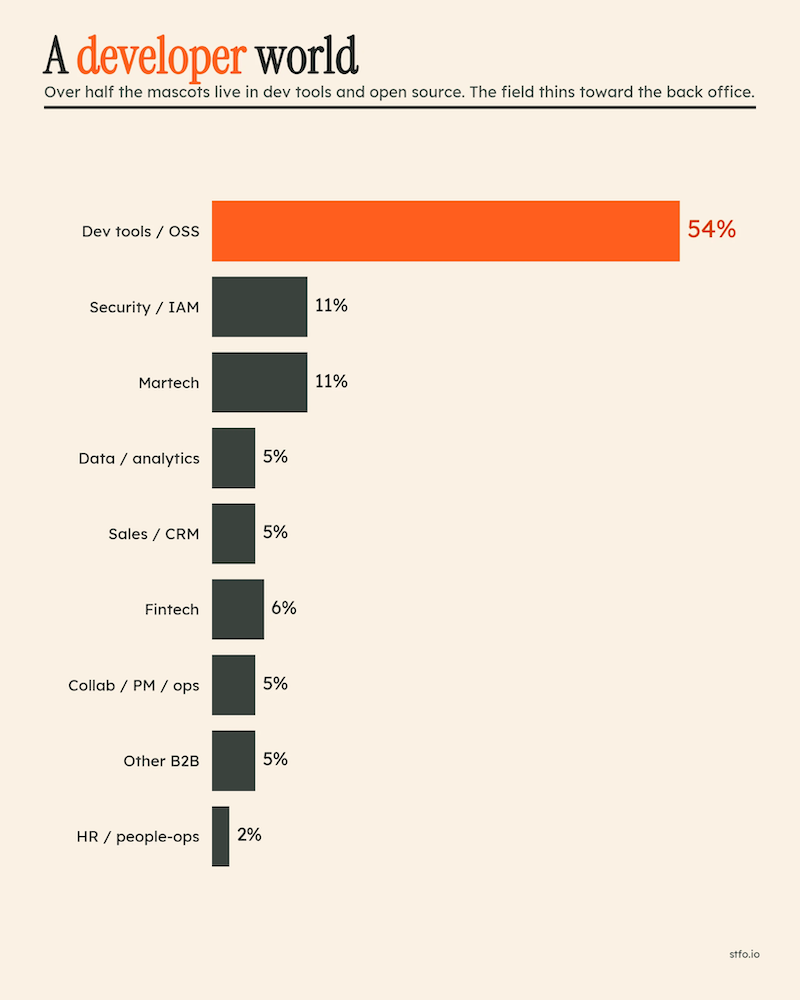
But… why?? Everyone hates marketers… in particular developers. They live on the web, they’ve seen every play, so the bar to get noticed by them is higher, and the brands selling to them take the risk to clear it.
Now you’re wondering, “My buyer is a CFO signing a seven-figure contract. A cartoon makes us look juvenile and costs us the deal.” To which I’d say… “If you’re on their shortlist, you’ve already won. The problem is in most cases, you’re invisible, never make it to the shortlist, so the mascot doesn’t matter.”
Datarails sells FP&A software to finance teams with a mascot named Bob Sheetner. It doesn’t prove a mascot wins deals, but it proves a character didn’t stop the most conservative buyer in the building from buying.
My six favorite mascots
None of this is rigorous. These are the six that made me feel something, which, given the entire point of a mascot is to lodge in a human brain, might be the only test that matters.
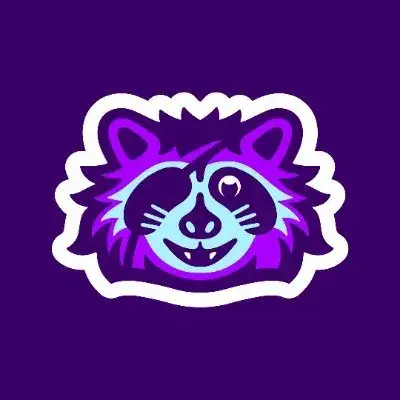
Mutiny’s raccoon, Achoo – No B2B company would pick an animal that scavenges through trash, but they were a scrappy, determined team, so it fit. They put Achoo on a billboard to celebrate a $50M Series B, which is the correct amount of commitment for a mascot.

Procurify’s sloth in a rocket ship, Dash. It made my list because CEO Aman Mann showed up to investor meetings in a furry sloth suit.
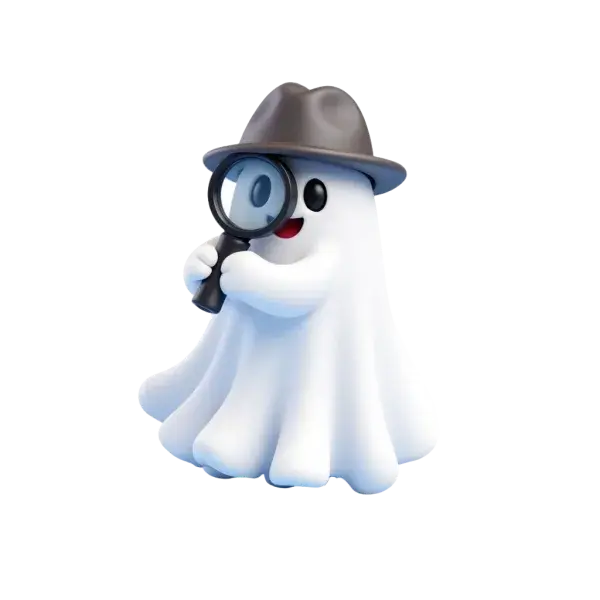
Vector’s Ghosty. A little ghost for a product that de-anonymises the ghosts haunting your funnel.
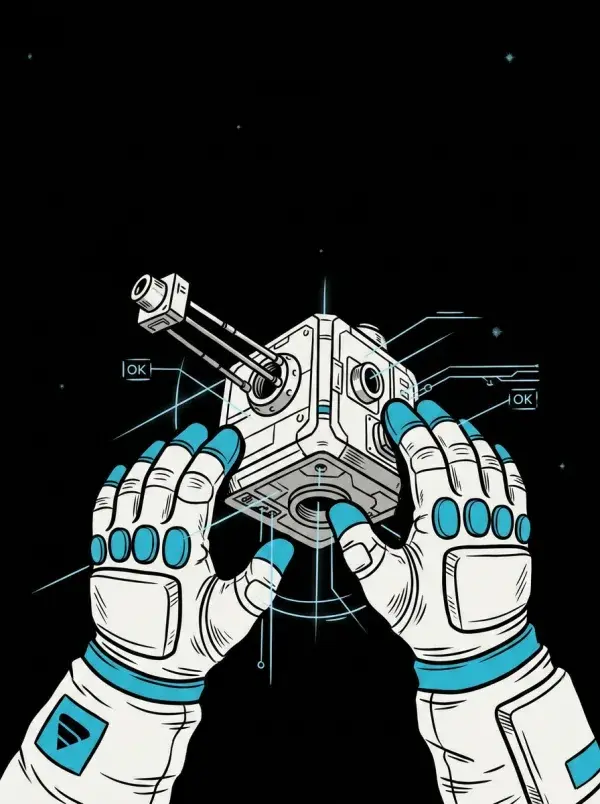
Fathom’s astronaut. Just a recurring spaceman motif on a meeting-notes tool under the line “AI notetaking that is out of this world.”
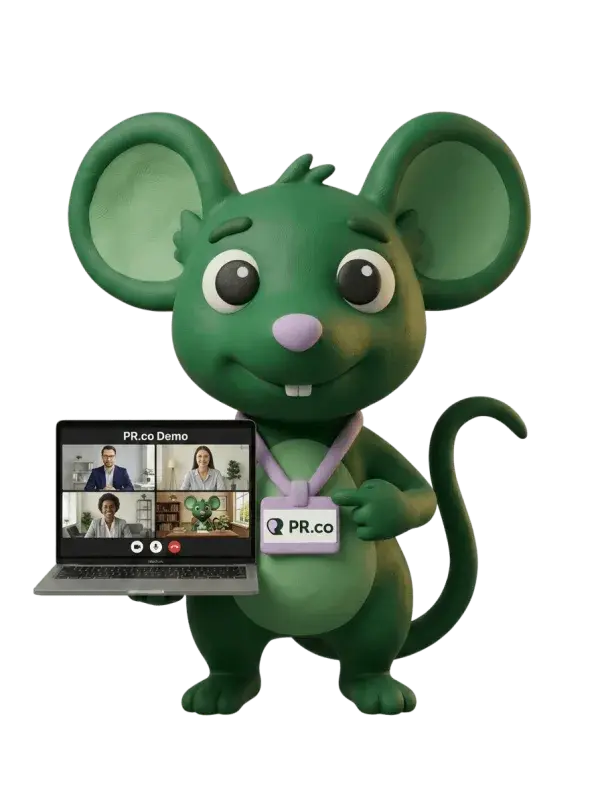
Pierre the Harvest Mouse. one of Europe’s smallest rodents, but it punches above its size. That’s exactly the positioning pr.co built the brand on.

Bitly’s Chauncey McPufferson. The pufferfish is smarter than it looks: it can shrink and expand, which is what Bitly does. A link-shortener found the single correct animal and called it Chauncey McPufferson.
This full browsable directory has every mascot in the census, searchable and filterable by type, category, and commercial vs open-source.
Should you develop a mascot?
It depends…
You could commission a character, ship a plush to your ABM list, put it on the homepage, and call it distinctiveness. But, a mascot alone won’t get you there. Get the fundamentals in place first: a compelling reason to pick you over any alternative, a product positioned in a category that’s in-demand, the exact moment people turn into hot prospects. Only then give them a face.
Even if you never draw a character, answer one question: name a single thing about your brand a buyer could summon from memory right now. Nothing comes to mind? 99.6% of B2B are in the same spot.