5 Takeaways from Hubspot’s Unbound 2026
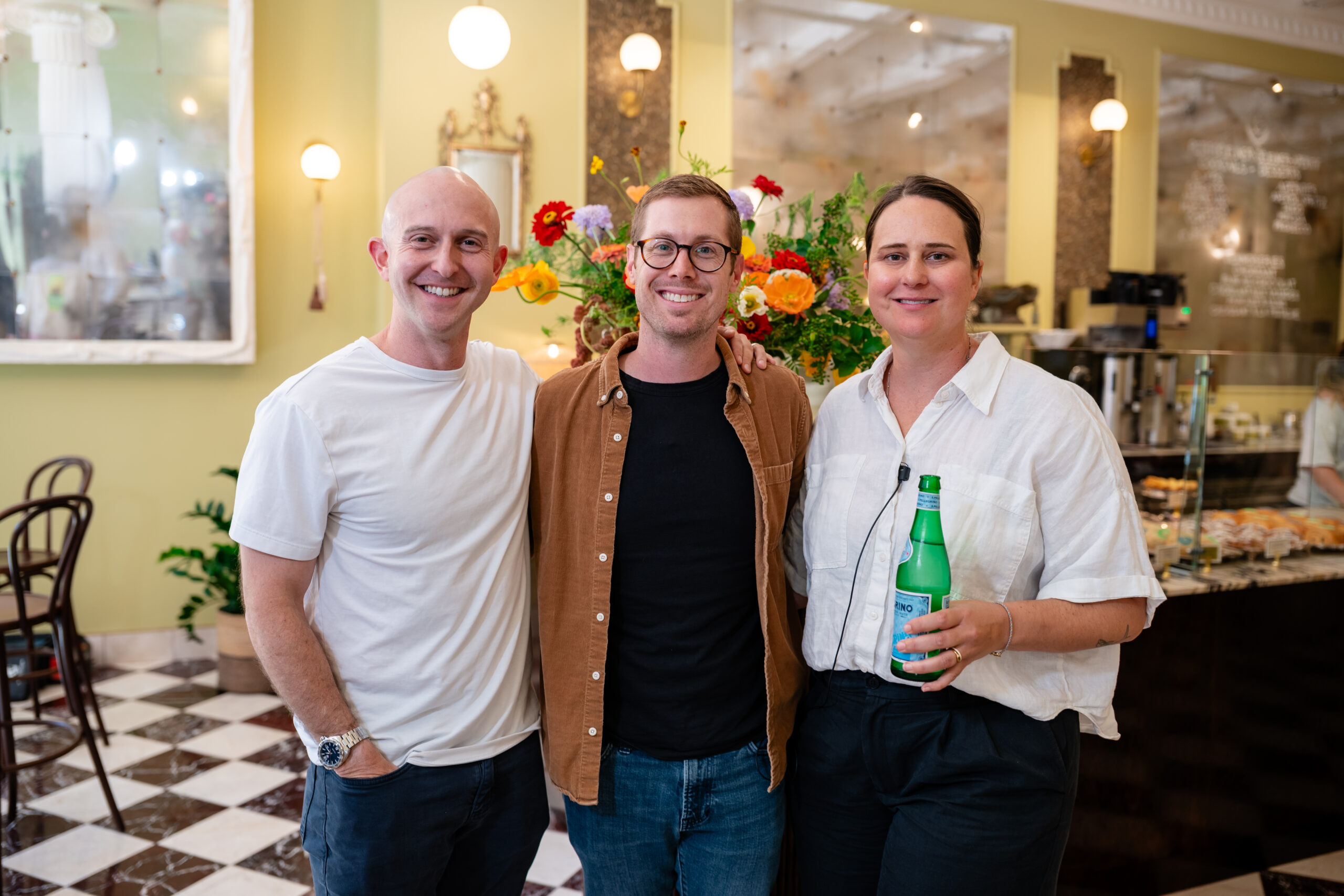
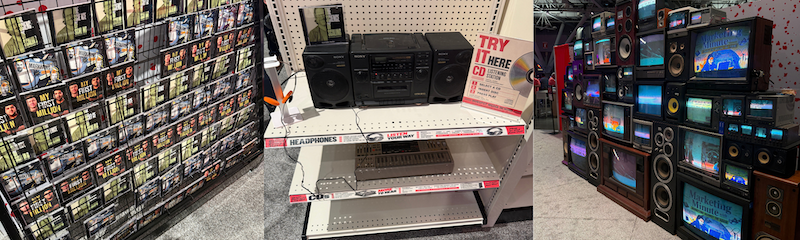
Two events in two weeks: from 400 people at Drive in Stowe, VT last week to 13,000+ at Unbound in Boston. One person put it like this: we went from marketing summer camp to marketing mayhem. Lots of people came up to me to talk about Drive – I actually couldn’t believe how many people were away from their desks two weeks in a row.
Three or four months ago, word on the street everywhere was “AI this, AI powered that.” At Unbound, it was different. Now, it’s: how do we stand out, how do we differentiate? But, with so much capability thanks to AI, it’s difficult to stay focused on what matters. Colin Fleming, CMO of OpenAI, made the point on the main stage with Hubspot CMO Kipp Bodnar that marketers associate activity with achievement. Activity is not achievement. His advice: cut, cut, cut.
My take is that it’s less about tactics and channels now, and more about strategy and positioning – bringing back the Four Ps. (I had dinner with a few people from the SurveyMonkey team – they get it. SurveyMonkey rebranded to Momentive a couple years ago to be more sophisticated for the enterprise. Now, in 2026, they’re back to the monkey, because that’s what makes them recognizable.)
The theme I kept running into on the floor was how to stand out when everyone has the same slop creation capabilities. I hung out between sessions and asked five marketing leaders the same two questions: what are you doubling down on at work, and what are you doubling down on in your personal life? Here’s what they said.
1. Think about your brand as an experience, not a channel.
Jonathan Hunt, VP of Content and Media, HubSpot
Jonathan runs content and media at HubSpot, a 70-person operation reaching 50 million people a month across 17 YouTube channels and a creator network of 150. He was on the podcast recently talking about what it means to run a media company inside a software company, and I ran into him at Unbound.
What he’s doubling down on at work: moving past the idea of brand as a channel, a newsletter feed, a YouTube subscriber count, and thinking about it instead as something people experience across mediums, and in real life. He gave the example of the My First Million pod – imagine it not just as a podcast, but as a live, multi-thousand person event at the 92NY (had to look this up) – a cultural center in New York.
…and in his personal life: being more present for his kids. Not delaying things – showing up. If the kids bust into a meeting at 4pm, that’s okay. Love that.
2. Use your brain, you can do better than AI.
Palmer Houchins, VP of Marketing, G2
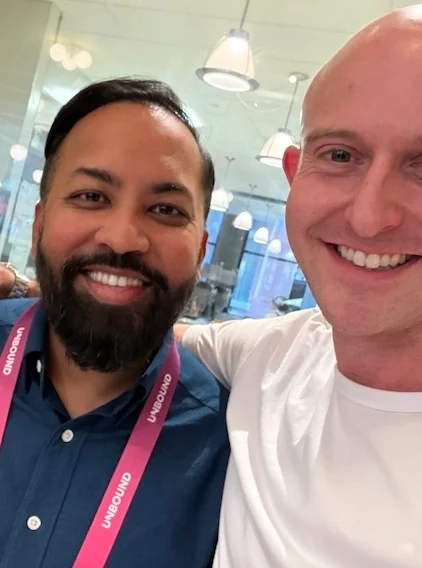
I cornered Palmer on the escalator at Unbound, VP of Marketing at G2, the platform where buyers go to read peer reviews of software before they buy.
What he’s doubling down on at work: finding the balance between efficiency and effectiveness with AI (not just AI everything). He leans into the productivity piece with his team, uses AI to get to the draft faster, but he still trusts them to be the designer, the writer, etc. He told me he tried to create his talk for a recent event with AI first, but it came out terrible. He scrapped it and wrote it himself.
…and in his personal life: strength training 3x a week at a small gym in his small Vermont town, mostly surrounded by people in their 70s.
3. Focus on 1:1 connections to forge deep partnerships.
Sangram Vajre, Co-founder and CEO, GTM Partners
Sangram is the co-founder and CEO of GTM Partners, a go-to-market analyst firm that researches how B2B companies should sell and market. This was his 10th year at Unbound, 10th year speaking.
What he’s doubling down on at work: one on one conversations. Some of his best partnerships this year happened because of a single conversation he wasn’t even expecting to lead anywhere.
…and in his personal life: purpose. He quoted a line from Mel Robbins, who spoke at the event: purpose isn’t what you do, it’s the impact you have on others when they see what you do and how you do it.
4. Learn the tools yourself so you don’t rely on anyone else.
Jess Cook, VP of Marketing, Vector
I found Jess Cook on the floor after her session. Jess is VP of Marketing at Vector, a contact-level advertising platform that crushed it at Drive last week and had 650 people at her session at Unbound.
What she’s doubling down on at work: she taught herself Claude Code this year. Vector needed a new site live for a product launch, so she hard coded it to GitHub herself, about 80 hours, with the launch deadline as the forcing function.
To learn faster and keep accountability high, she joined a community with people doing the same kind of self-taught building. Now, She pushes all the updates herself, no dev dependency, just sipping coffee and shipping changes.
…and in her personal life: waking up earlier (aiming for 5am!), to fit in the gym 3x a week before her kids wake up.
5. Build for the places your buyers are searching now, not just the ones you’re used to.
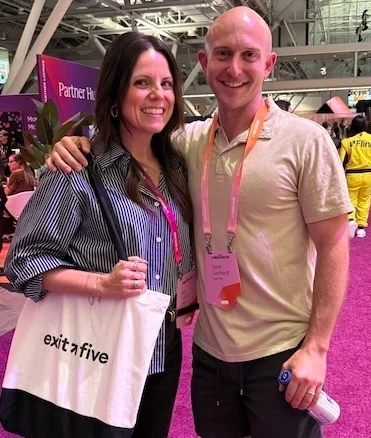
Amit Sharan, CMO, Tatari
I caught up with Amit Sharan, CMO of Tatari, the TV ad platform – the big dogs (think: Super Bowl ads).
What he’s doubling down on at work: AEO. His team is making YouTube videos meant to be cited by LLMs, not watched by people, lower production on purpose, topics like CTV 101 explainers. He uses a tool called Bluefish to track citation and visibility scores weekly, then shifts content toward wherever they’re losing ground. He’s also seeing more people answer “how’d you hear about us” with some version of a bot or ChatGPT.
…and in his personal life: football season is back! Amit is a lifelong Dallas Cowboys fan.
The burnout I’m hearing isn’t people rejecting AI. It’s marketers realizing AI made the baseline table stakes. What’s left to compete on is brand – it’s less about tactics and channels now, more about strategy and positioning, earning a seat at the table instead of obsessing over little channels. Marketing as a strategic partner to the business again, not just the department that runs the channels.