How Small Can Your Marketing Team Be And Still Win?
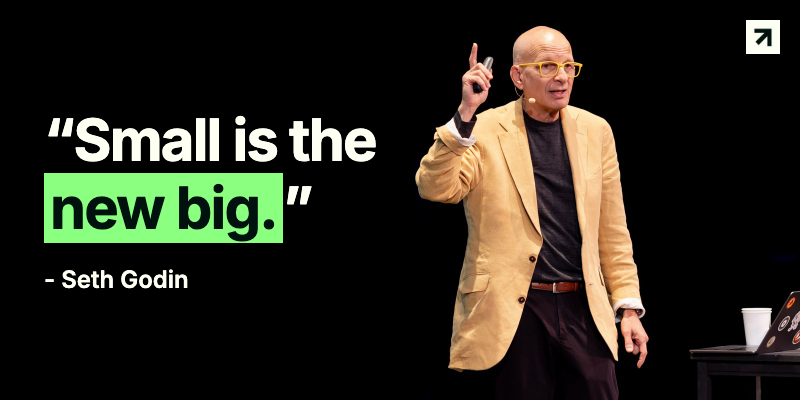
Small marketing teams mean less drama, gossip, politics, telephone and territory stomping, and more getting sh*t done. Big teams have lots of places to hide, like the partnership manager of the partnership manager, or the demand gen team out in the field of the field marketer. AI or not, I’ll take a small team where everyone has skin in the game.
So the real question is how small your team can be, and which skills you need to still win. We dug through the Exit Five Podcast archive for insights on how marketing leaders keep their teams small. Here’s a few tips worth borrowing.
Hire Managers Who Can Do The Work
Rob Sobers, CMO of Varonis for 15 years through its $6.3B exit, runs marketing with no middle management layer. Everybody on his team is expected to be an expert in the functions they manage. His creative director can still design in Figma, and his head of corporate events can still run an event solo. Rob points to the communication tax: the more managers you have, the less they want to write copy or build campaigns, and the more they want to talk about things. From the Exit Five Podcast: Run Marketing Like an Engineer.
Give Every Team One Outcome It Owns
Small, hands-on teams still need clear lines. Peter Mahoney, then CMO of GoTo, builds every marketing org around the strategy, so a thought leadership strategy gets subject matter experts and a publishing setup, and a product-led one gets strong product marketing and UX. Then, each team owns one outcome. In his example, product marketing owns retention, growth owns the booking plan, and corporate owns brand awareness. From the Exit Five Podcast: How To Build A High Performing B2B Marketing Org.
Split A Big Team Into Small Focus Teams
Clear ownership also makes it easier to grow without the bloat. Jason Lyman, CMO at Customer.io, runs three focus teams (demand gen, marketing growth, and product marketing) plus two teams that support all of them (brand studio and marketing ops), and each demand gen person aligns to either the sales-led or self-serve funnel. The leads meet weekly to debate priorities against quarterly OKRs, and Jason says clear goals take the emotion out of those calls. That’s what getting big with small teams looks like. From: Inside Customer.io’s B2B Marketing Strategy: Org, GTM, and Growth Channels.
Let Agents Do The Research And Hire People To Win Deals
Another great nugget from Rob Sobers… Even with small teams, it’s worth asking which seats need a person at all. Rob’s agents watch competitor webinars, screenshot every slide, and drop summaries into the sales training repository, so he won’t hire a competitive intel person to make that content anymore. That hire’s job now is to win deals and make sure the team knows how to use the content, “because the agent can’t show up on a sales call.”
Set A Very High Bar For Adding A Job
All of this adds up to two tests before you add headcount. First, Peter says “there should be a very high bar in adding a job,” and for him that means being sure the role will still be needed 9, 12 or 18 months from now, because the person who takes it is changing their life to do it.
Second, know what’s already working. Caleb Rule, a two-time fractional CMO, told the Exit Five community he’d want to “make darn sure everything’s running smoothly before adding more to the plate.” If you can’t tell yet, your next hire should be someone who can figure that out. From our podcast: The Role of CMO, Taking a New Job, Making Changes in the Marketing Org
Headcount Isn’t The Flex It Once Was…
Based on what you hear, you’d think having a huge team is a flex in B2B marketing. These marketing leaders told us something different. The teams that win keep managers in the work, give every team one outcome to own and hire people for the work an agent can’t do.
One Last Thing: The Post-Thanksgiving Sides Debate Across The US
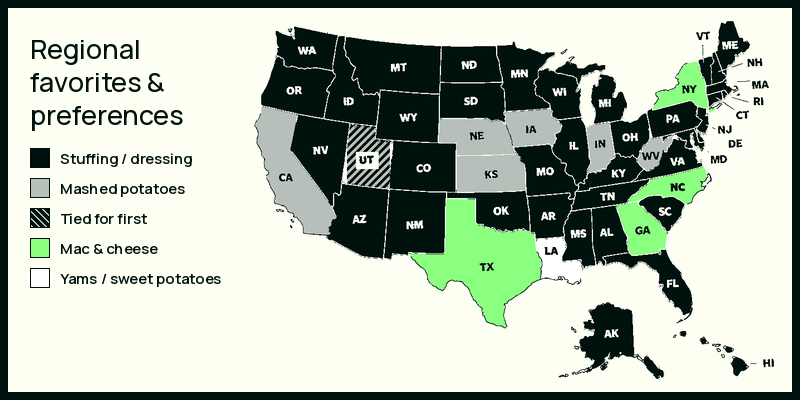
In case you made it this far, are you eating leftovers today? Here’s my family tradition no one else understands: every year for 30 years my uncle brings roasted parsnips, and for 30 years only he’s the only person who eats them. So I’m not surprised parsnips didn’t make it on this chart.
Another fun fact: almost everyone we asked in the Exit Five community agreed that turkey is the most overrated Thanksgiving dish. Sides are way better! So are the unusual twists on traditional dishes. Our team members made masala mac & cheese and Pioneer Woman’s mashed potatoes. How about you?