8 Ideas for your Next Ad Campaign Play (Including Social Ads, TV ads, AI, OOH, Events)
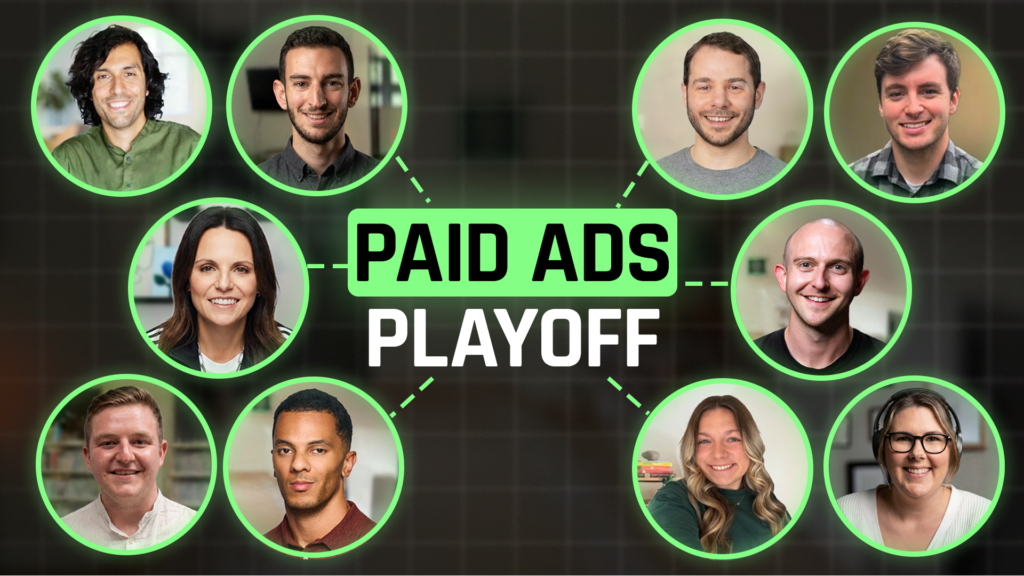
Inspired by the World Cup, we decided to run our own “playoff” of sorts. But ours wasn’t soccer (Football? Futbol?), it was B2B ad examples (I know, you’re a marketing nerd just like we are, it’s OK. This is a safe space). And it was AWESOME. The rating was one of the highest we’ve ever had, and below you’ll see why. 8 real examples from B2B marketers doing the work right now. Not some AI slop, but real insights and screenshots of B2B ads that worked.
Here they are.
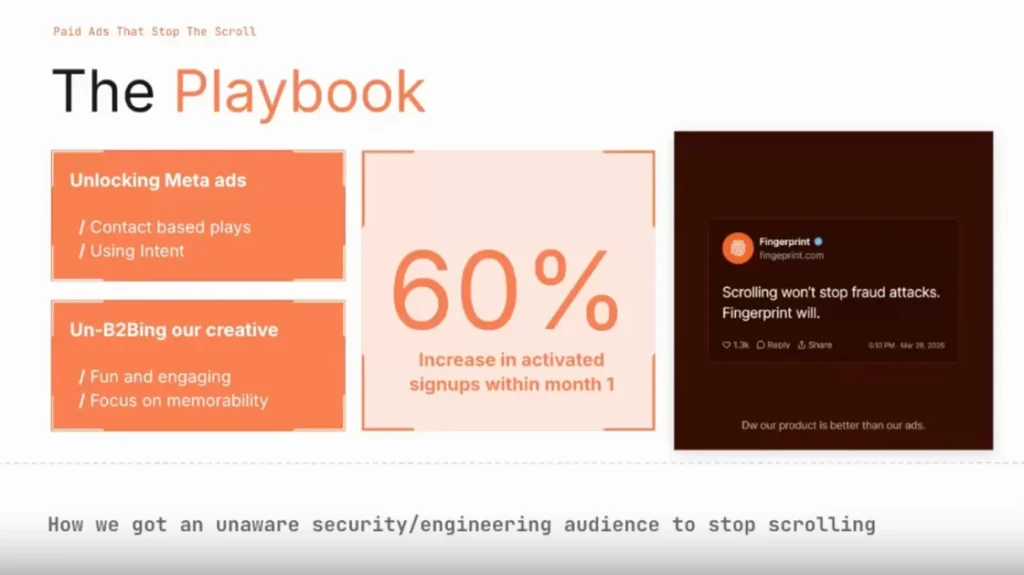
1. Meme-style LinkedIn ads for a fraud detection company
Alexander Goodwin, Director of Demand Generation, Fingerprint
The problem: Fingerprint was stuck bidding against competitors running the same tired creative. They were paying high CPCs on LinkedIn to reach the same audience everyone else was chasing with the same message.
The play: Alexander noticed how consumer brands sell with memes, and ditched the category’s dry, fear-based tone entirely. He swapped product value props for lines that called out his buyers’ own behavior, like “Scrolling won’t stop fraud attacks. Fingerprint will.” They ran 30 variants of the concept over two months, and signups jumped 60% in month one.
2. TV ads without a TV budget, using creative they already had
Hooman Javidan-Nejad, Senior Director of Marketing, Tatari
The problem: TV feels like a big production and an even bigger budget bet, so most B2B teams never try it at all.
The play: Hooman’s team got into TV using video they already had, no new creative required, and pointed the same targeting and measurement they use everywhere else at it. One spot was a 20 minute sponsored fireside chat that cost under $1,000 in post-production. $20,000 in spend got them 2 million impressions and nearly $200K in pipeline, on a channel most of their competitors have never even tried to get onto.
3. Out-of-home ads (and how to prove they worked without click tracking)
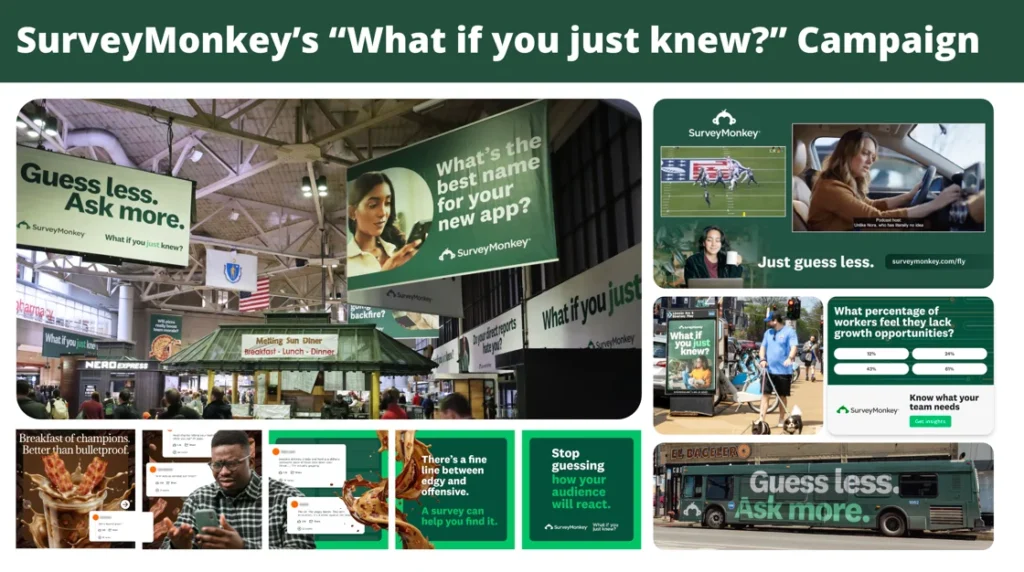
Stefanie Wlotzki, Senior Paid Media Strategist, SurveyMonkey
The problem: Everyone knows SurveyMonkey, that’s the problem. Their brand perception, not awareness, was broken, since most people assume all they do is surveys. Their “What if you just knew?” out-of-home campaign was built to fix that, but OOH is one of the hardest channels to prove, since there’s no click to track.
The play: Stefanie’s team ran Chicago and Boston as test markets against matched control markets to isolate real lift. The campaign generated 244 million impressions and a 7% lift over Easter, a period that normally brings a seasonal dip. Her caution for anyone trying this: don’t expect the payoff fast. It can take six to nine months for out-of-home impact to show up in the numbers that matter.
Stefanie shared her slides with all the details, creatives, results and 3 key takeaways.
4. A 9-minute long-form video ad that lowered cost per demo
Jake Newby, Director of Growth Marketing, Lendio
The problem: Most B2B teams default to short video because that’s what the platform’s engagement metrics reward.
The play: Jake bet on a 9:49 explainer video instead, targeted narrowly at named accounts, and tracked cost per booked demo rather than completion rate. Roughly $4,500 in spend produced 5 demos, and the cost per booked demo came in 60% lower than what Lendio was typically paying across LinkedIn.
“9 minutes blows my mind, the average attention span is far less.” Kim Eakin, in the chat during the live session.
Jake shares more in his slides, grab them here.
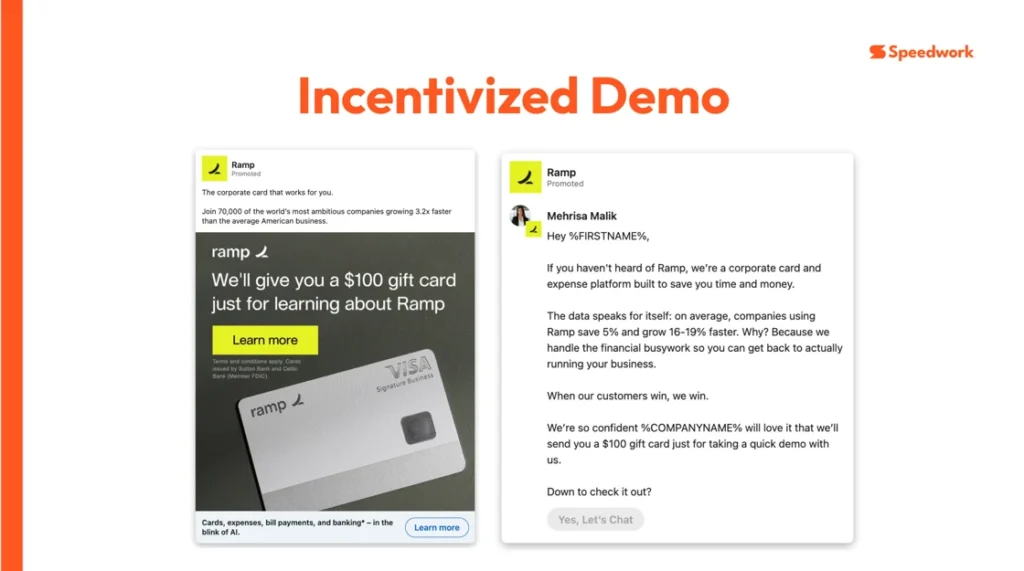
5. Incentivized product demos (yep, they still work)
Anthony Blatner, Managing Director, Speedwork
The problem: Getting a prospect on a call fast is still the bottleneck between ad spend and pipeline. Performance marketers love this play, and brand teams hate it. Anthony runs it because the pipeline numbers are hard to argue with.
The play: Anthony’s incentivized demo ads offer a small reward (gift card) in exchange for taking a call. One enterprise SaaS company spent $100,000 targeting a specific account list and turned it into almost $4 million in pipeline. A separate HR company ran the same tactic as a competitor conquest campaign and got a 45x return on pipeline to spend.
Check out Anthony’s slides on incentivized demos.
6. ChatGPT ads. You can still be an early tester.
Dylan Wingrove, Associate Director of Demand, Pacvue
The problem: Pacvue continued to raise their Google budget and kept losing ground on impressions anyway, as AI answers ate into the search real estate they used to dominate.
The play: Before the rest of the category catches on and bidding gets competitive, Dylan’s team moved fast to join the ChatGPT Ads beta. They pulled budget straight from Google to fund it. ChatGPT shows one ad per prompt, so winning the slot means you’re the only advertiser shown, no competitor stealing your thunder.
They used a tool called Profound to track their share of voice inside AI answers and increased spend on the channel 900% in four weeks, all of it reallocated from the existing Google budget.
“I want to hear more about the ChatGPT ads.” Spud R.
7. Google’s AI Max, with guardrails on budget and keywords
Kenna Rooney, Performance Marketing, EasyLlama
The problem: Kenna noticed that Google’s AI overviews have been pushing her listing further down the page. Her Google rep suggested Google AI Max to solve it, but Kenna hesitated to hand targeting over to Google’s AI Max. It felt like giving up control of who sees her ads and she wanted to fully control her spend.
The play: Kenna tested it on an already-strong campaign and kept it inside the normal daily budget. She also stayed close to high intent search terms instead of letting it expand freely, two guardrails that let her get the upside without handing over full control. Within three weeks, qualified leads rose 166%, cost per acquisition dropped 15%, and pipeline generation was up 3X.
“I like this, don’t hand over the budget to the Google algorithm.” Prasanna V. in the live session chat.
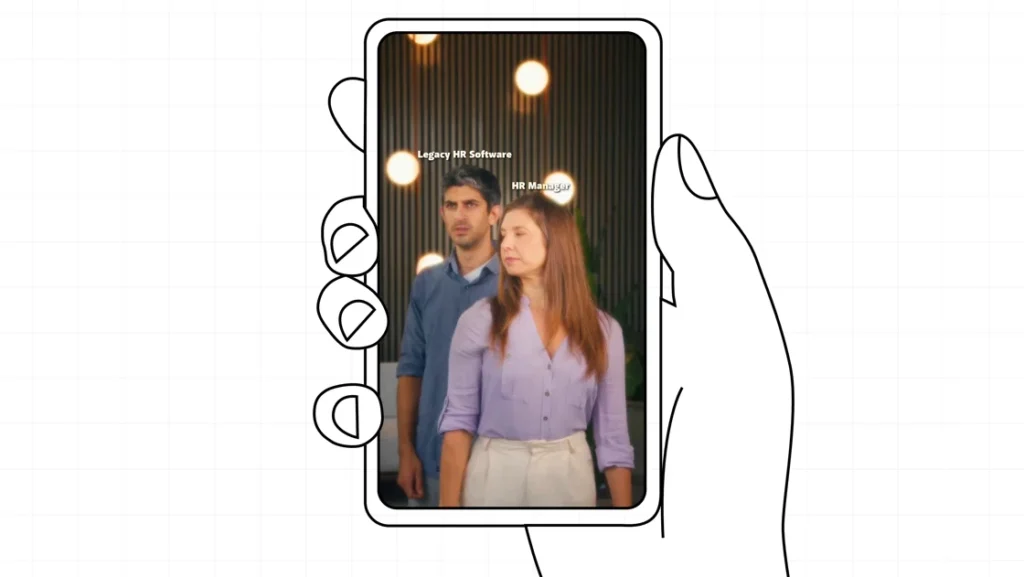
8. A soap-opera style video ad for HR software
Shlomo Genchin, Creative Director, Unbore.com
The problem: A modern HR platform is competing against legacy software, a category not known for memorable ads, so Shlomo had to find a way to stand out.
The play: Shlomo borrowed a technique he learned from Apple vs Microsoft: give the product a villain, a hero, and a relatable scenario to play out. For his client Hi Bob, legacy HR software became the villain, Hi Bob became the cool and popular hero, and the scenario was a soap opera breakup. The result: 1,000+ leads, 80% cheaper than usual, with cost per thousand impressions down 50%.
“Hi, Bob is the perfect name for a soap opera style ad.” Lisa Amos, in the chat during the live session.
Watch the replay to see the full soap-opera ad. Shlomo also shared his slides, prompts, and tools he uses right here.
What did you think? Is there one that stood out to you? Reply back and let me know. Is there a channel you’re testing?
Earlier in the week a VP Marketing friend of ours shared some data on spending $50k on ChatGPT ads and netted nothing. Wasn’t the right fit because it’s all free users or something like that.
Anyway, hope this was useful.
What I think is cool is that each ad play is different and solves a unique challenge. But they all work. An important reminder that many things work in marketing and there’s actually nuance, despite what you hear on LinkedIn.